How to Set Up a Home Phone System That Works for You
10 Tips for Setting Up a Home Phone System That Works for You
Introduction
Having a reliable home phone system is essential for staying connected with family and friends, as well as for emergencies. With the advancement of technology, there are now more options than ever for setting up a home phone system that suits your needs. In this blog post, we will discuss 10 tips for setting up a home phone system that works for you.
1. Determine Your Needs
Before setting up a home phone system, it's important to determine your needs. Consider how many phones you need, the range of coverage required, and any additional features you may want, such as voicemail or call blocking.
2. Choose the Right Phone
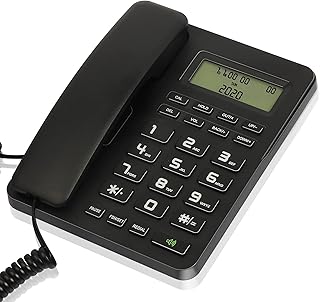
There are several types of home phones to choose from, including corded phones, cordless phones, and smartphones. Consider your lifestyle and preferences when selecting the right phone for your home phone system.
3. Consider VoIP
Voice over Internet Protocol (VoIP) technology allows you to make phone calls over the internet. This can be a cost-effective option for those with reliable internet service. There are many VoIP providers to choose from, so be sure to research and compare plans before making a decision.
People Also Look For:
- CARLOCK Anti Theft Car Device - Real Time UK Car GPS Tracker & Car Alarm System Security - OBD & Phone App - Auto Van Vehicles Tra...
- TTfone TT890 4G Senior Phone – Easy to Use Big Button Mobile Phone with Emergency Assistance Button, USB-C Charging, Blueto...
- ​Landline Telephone for Home, Basic Model Desktop Phone with One Key Redial, Easy to Operate​
- artfone C1+ 4G Big Button Mobile Phone for Elderly, Easy-to-Use Basic Senior Phone with Charging Cradle, SOS Emergency Button, HD ...
- Big button Mobile Phone for Elderly, GSM Unlocked Senior Mobile Phones with 1800mAh Battery, Dual SIM Easy to Use Basic Mobile Pho...
4. Ensure Good Reception
To ensure good reception for your home phone system, consider the placement of your phone base and any additional cordless phone units. Avoid placing the base near electronic devices that may cause interference, such as microwaves or routers.
5. Set Up Voicemail
Setting up voicemail is essential for capturing missed calls and messages. Make sure to personalize your voicemail greeting and regularly check for new messages to stay on top of communication.
6. Block Unwanted Calls
To avoid unwanted calls, consider setting up call blocking features on your home phone system. Many phones offer the ability to block specific numbers or unknown callers, helping to reduce spam and telemarketing calls.
7. Consider a Backup Power Source
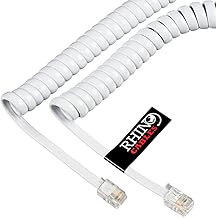
In case of a power outage, it's important to have a backup power source for your home phone system. Consider investing in a battery backup or a corded phone that doesn't rely on electricity to stay connected during emergencies.
8. Test Your System
After setting up your home phone system, be sure to test it to ensure everything is working properly. Make test calls, check for voicemail functionality, and ensure that all features are set up according to your preferences.
9. Update Your Contact List
Regularly update your contact list on your home phone system to ensure you have the most up-to-date information for friends, family, and emergency contacts. This will help streamline communication and make it easier to reach those you need to contact quickly.
10. Seek Professional Help
If you're unsure about how to set up your home phone system or are experiencing technical difficulties, don't hesitate to seek professional help. Contact your phone provider or a technician for assistance in troubleshooting any issues and ensuring your home phone system is working optimally.