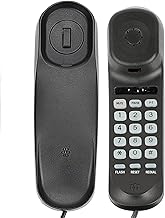
Home Phone vs Mobile Phone Which Is Better for Your Family
Home Phone vs. Mobile Phone: Which Is Better for Your Family?
When it comes to communication within a family, choosing between a home phone and a mobile phone can be a tough decision. Both devices have their own set of advantages and disadvantages, making it important to weigh the options before making a choice. In this article, we will explore the benefits and drawbacks of both home phones and mobile phones to help you determine which is better suited for your family's needs.
1. Cost
One of the primary factors to consider when deciding between a home phone and a mobile phone is cost. Home phones typically have lower monthly fees compared to mobile phones, especially when bundled with other services such as internet and television. On the other hand, mobile phones may have higher monthly costs due to data plans and additional features such as texting and internet access.
2. Reliability
Home phones are known for their reliability, especially during emergencies when mobile networks may be overloaded. In the event of a power outage, home phones usually continue to work as they are typically connected to a landline. Mobile phones, on the other hand, rely on cellular networks which can be prone to disruptions during natural disasters or other emergencies.
People Also Look For:
- Wantek Headset with 3.5mm to 2.5mm Jack, Phone Headphone Noise Cancelling with Mic Wired Headset for Laptop PC Call Center Mobile ...
- BONAI Portable Charger USB C 5000mah Portable Phone Charger for Samsung, iPhone 15 series, Huawei, Google Pixel, Sierra Blue (USB-...
- Logitech G432 Wired Gaming Headset, 7.1 Surround Sound, DTS Headphone:X 2.0, 50 mm Audio Drivers, USB and 3.5 mm Audio Jack, Flip-...
- Kaito Emergency Radio Voyager Max KA900 Digital Solar Dynamo Crank Wind Up AM/FM/SW & NOAA Weather Stereo Radio Receiver with Blue...
- Yealink W73P Cordless DECT IP Phone System Bundle Package, HD Voice, Modern Design, 1.8 Inch TFT Colour Display, HAC Compliant (In...
3. Convenience
Mobile phones offer the convenience of being able to make calls and send messages from anywhere, as long as there is cellular coverage. This makes them ideal for families who are constantly on the go or have members who travel frequently. Home phones, on the other hand, are stationary and may not be as convenient for families who need to make calls while away from home.
4. Features
Mobile phones come with a wide range of features such as internet access, GPS capabilities, and camera functions, making them versatile devices for communication and entertainment. Home phones, on the other hand, are more limited in terms of features but are designed specifically for voice calls, making them reliable for clear and uninterrupted conversations.
5. Privacy
Home phones are typically considered more private than mobile phones, as they are less susceptible to hacking and eavesdropping. This can be an important consideration for families who value their privacy and want to ensure that their conversations remain confidential. Mobile phones, on the other hand, may be more vulnerable to security breaches and unwanted surveillance.
6. Family Communication
When it comes to fostering communication within a family, both home phones and mobile phones have their own benefits. Home phones provide a central point of contact for all family members, making it easier to stay connected and coordinate schedules. Mobile phones, on the other hand, offer the flexibility of individual communication and can be personalized to each family member's preferences.
In conclusion, the choice between a home phone and a mobile phone ultimately depends on your family's specific needs and preferences. While home phones offer reliability and privacy, mobile phones provide convenience and versatility. By considering factors such as cost, reliability, convenience, features, privacy, and family communication, you can make an informed decision on which type of phone is better suited for your family.