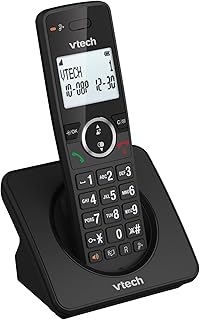
The Ultimate Buyers Guide to Home Phones in 2026 for Everyone
As technology continues to evolve, so do our communication needs. In 2026, the landscape of home phones has transformed significantly, offering a myriad of options tailored to suit different lifestyles and preferences. This guide aims to navigate the complexities of selecting the ideal home phone, ensuring that you make an informed decision that aligns with your requirements.
Understanding the Types of Home Phones
When considering a home phone, it is essential to understand the various types available on the market. The primary categories include traditional landline phones, cordless phones, VoIP phones, and smartphone integration systems. Each type offers unique features and benefits that cater to different user needs.
Traditional landline phones are often regarded for their reliability. They operate through a physical connection to the telephone network, providing consistent call quality even during power outages. However, they lack the advanced features found in more modern alternatives.
On the other hand, cordless phones offer the convenience of mobility within your home. Many models come with answering machines and caller ID, enhancing user experience. However, they require charging and can sometimes suffer from signal interference.
VoIP phones have gained popularity for their flexibility and cost-effectiveness. By using an internet connection, they allow for features such as video calling, conference calls, and voicemail to email. However, they rely heavily on internet connectivity, which may be a limitation in certain areas.
People Also Look For:
- Panasonic KX-TGC220EB DECT Cordless Phone with Answering Machine, 1.6 Inch Easy-to-Read Backlit Display, Nuisance Call Blocker, Ha...
- ear buds Wireless Earbuds,air Bluetooth 5.4 earphones 2025 Wireless Headphones with 4 ENC Mic,50H Sport Headsets in Ear EarHooks H...
- VTech CD1100 Trimstyle Corded Home Phone.No AC Power Required,Landline Phone with last number redial key,ringer control,receiver v...
- Panasonic KX-TG6824EB Quad DECT Phone - Black/Silver
- BT Premium Cordless Landline House Phone, Home Phone, 100 Percent Nuisance Call Blocker, Call Block Button, Answer Machine, Single...
Smartphone integration systems represent the cutting-edge of home communication technology. These systems allow users to connect their home phones to smartphones, enabling features such as call forwarding, voicemail access, and even integration with smart home devices.
Key Features to Consider
When selecting a home phone, several key features should be taken into account to ensure it meets your needs. Firstly, sound quality is paramount. Look for phones that offer high-definition audio capabilities for clear conversations.
Next, consider the range of features available. Some phones include built-in answering machines, while others offer advanced features such as call blocking, speed dial, and programmable settings. It is essential to choose a model that aligns with your communication style.
Battery life is another critical consideration, particularly for cordless models. A phone with a long-lasting battery will reduce the need for frequent charging, making it more convenient for daily use.
Compatibility with other devices is increasingly important in 2026. Ensure that the phone you choose can seamlessly integrate with your existing technology, such as smart home systems or mobile devices, to enhance connectivity.
Design and Ergonomics
The design and ergonomics of a home phone can significantly affect user experience. Look for models that offer comfortable handsets and intuitive interfaces. Many manufacturers have recognised the importance of user-friendly designs, making it easy for individuals of all ages to navigate features and settings.
In addition to practicality, aesthetic appeal also plays a role in the decision-making process. Home phones are no longer just functional devices; they are often integrated into home decor. Choose a design that complements your living space while also being practical.
Price Range and Budgeting
Home phones come in a wide range of prices, and it is essential to establish a budget before making a purchase. Basic models can be found at lower price points, while high-end smartphones and integrated systems may require a larger investment. Consider the features you require and weigh them against your budget to find the best option.
Be aware of ongoing costs associated with your chosen phone system. VoIP services may have monthly fees, while traditional landlines may charge for installation and service. Factor these costs into your overall budget to avoid surprises down the line.